
Worker in hard hat pointing toward electrical transmission towers.
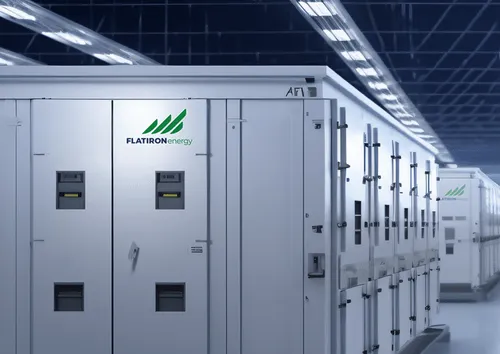
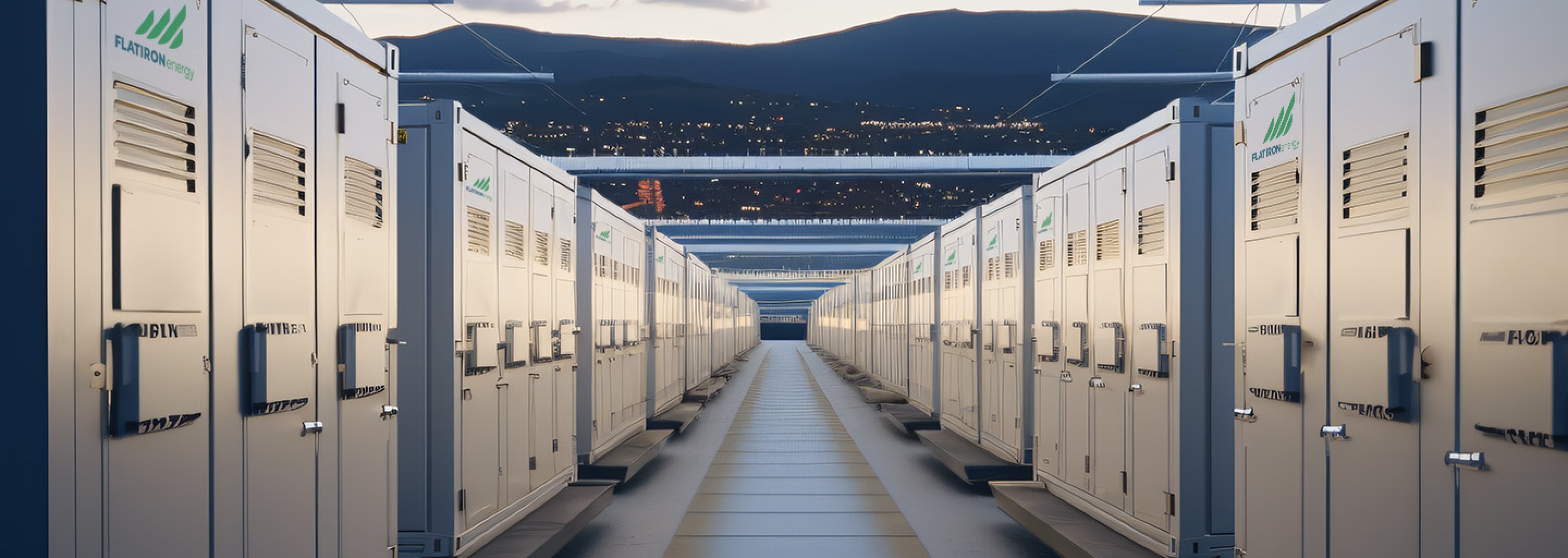
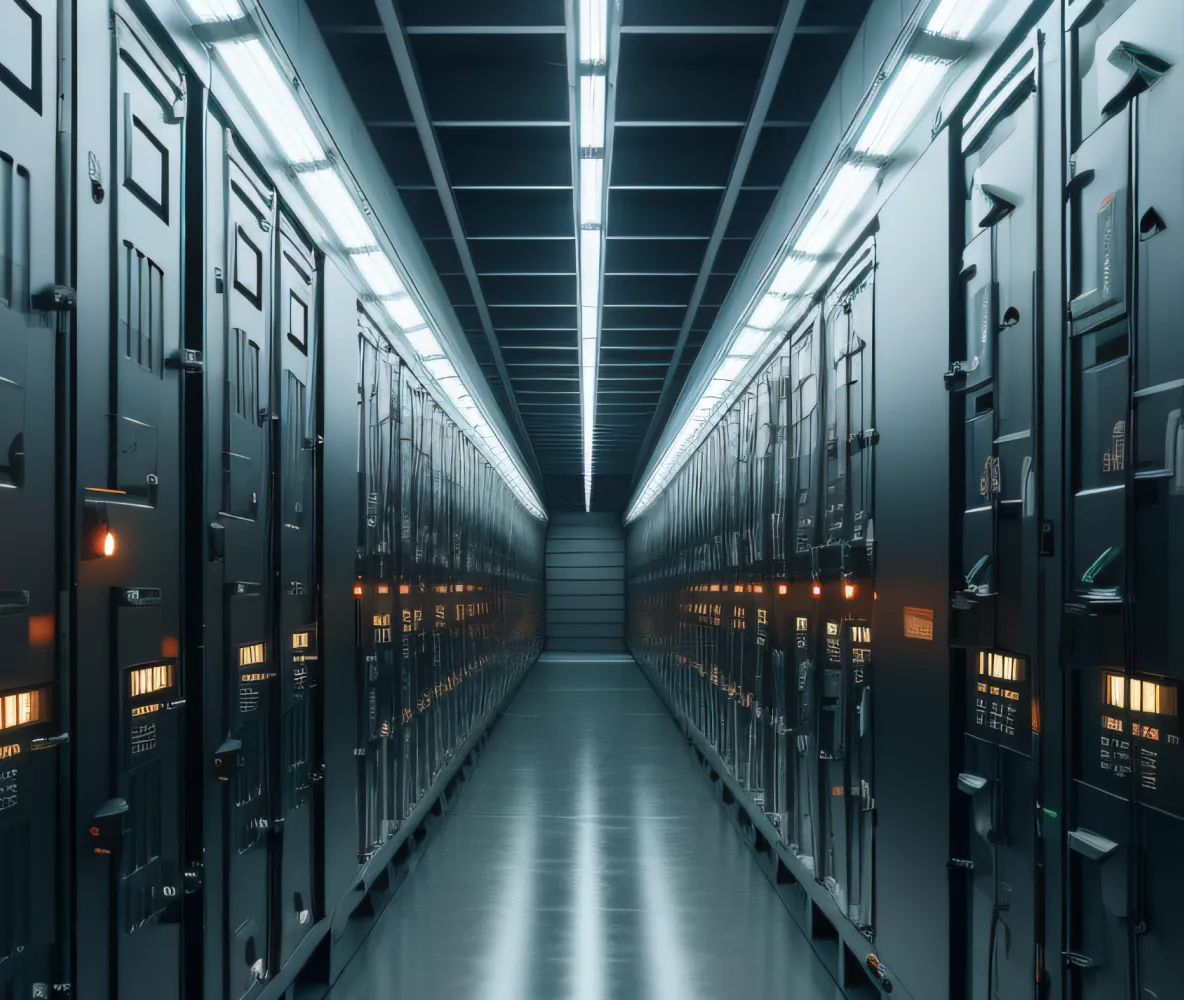
Aisle of battery storage cabinets.
Project Overview

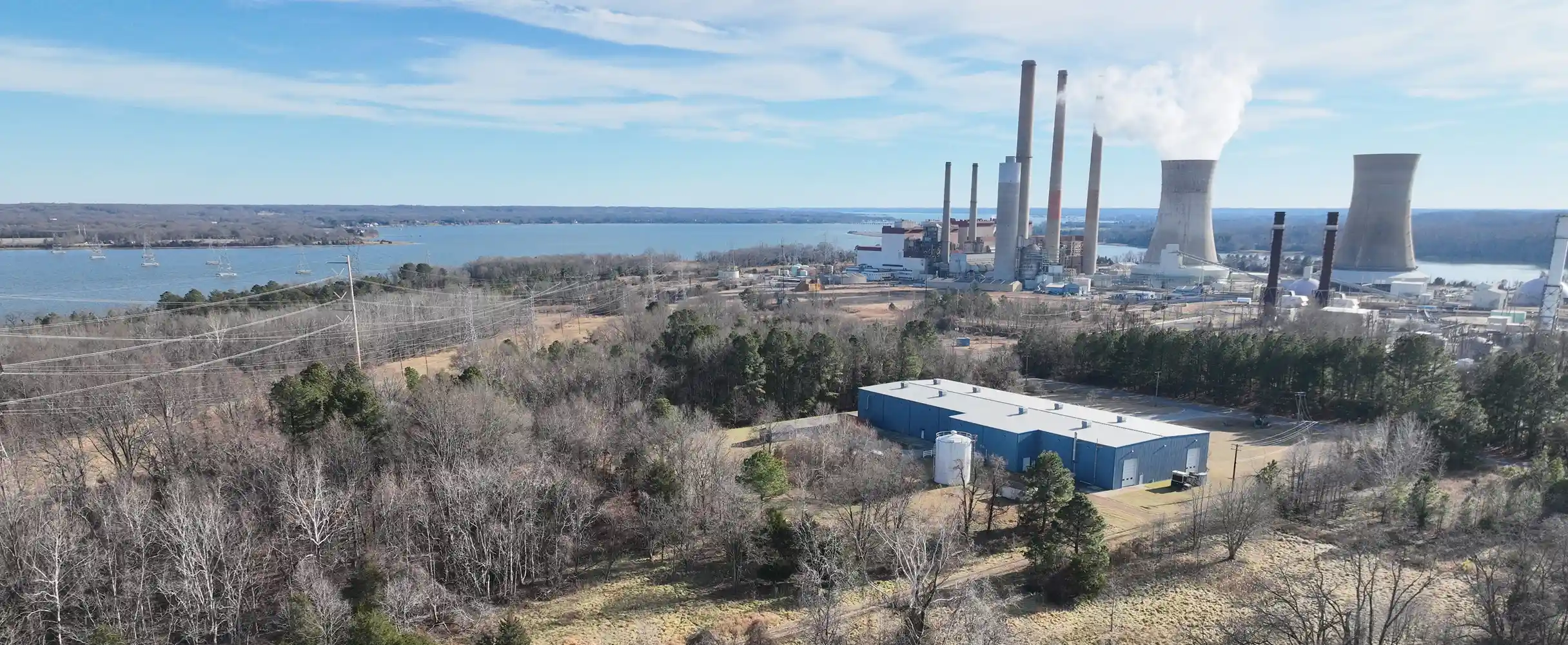
Chalk Point Reliability Storage is a battery energy storage system currently in early-stage development by Flatiron Energy in Prince George’s County, Maryland. Upon completion, the Chalk Point Reliability Storage facility will be capable of storing up to 670.2 megawatt-hours (MWh) of energy and will provide reliable electricity to local homes and businesses during periods of high demand. The facility is anticipated to begin operations in Q2, 2029.

Power capacity — 670.2 MW

This is the system’s maximum power
output at any given time.

1 megawatt (MW) = 1,000,000 watts.

Real-world example:

670.2 MW of power would light up 67.02 million
100-watt light bulbs.

Energy capacity — 2,680.8 MWh

This is the maximum amount of energy
the system can store.

1 MW of power sustained for an hour = 1 MWh.

Real-world example:

2,680.8 MWh is enough energy to power around 134,040 Maryland households for a month.

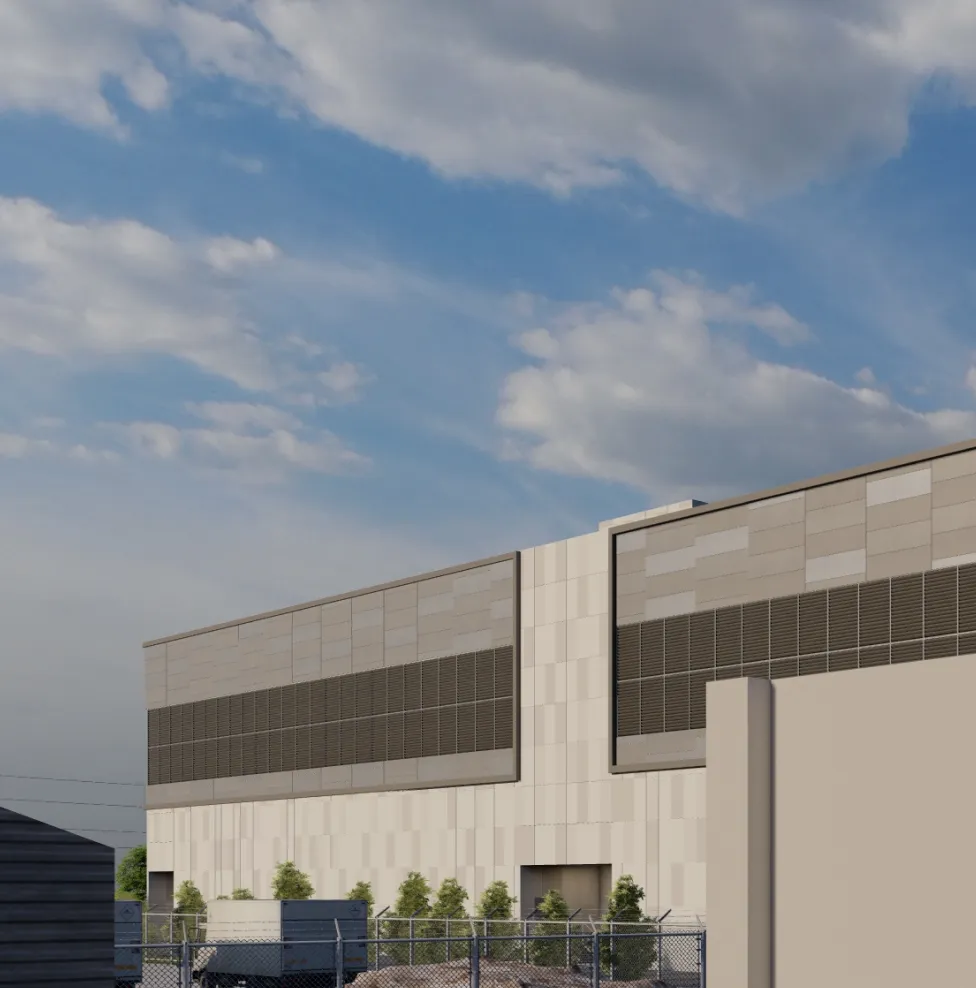
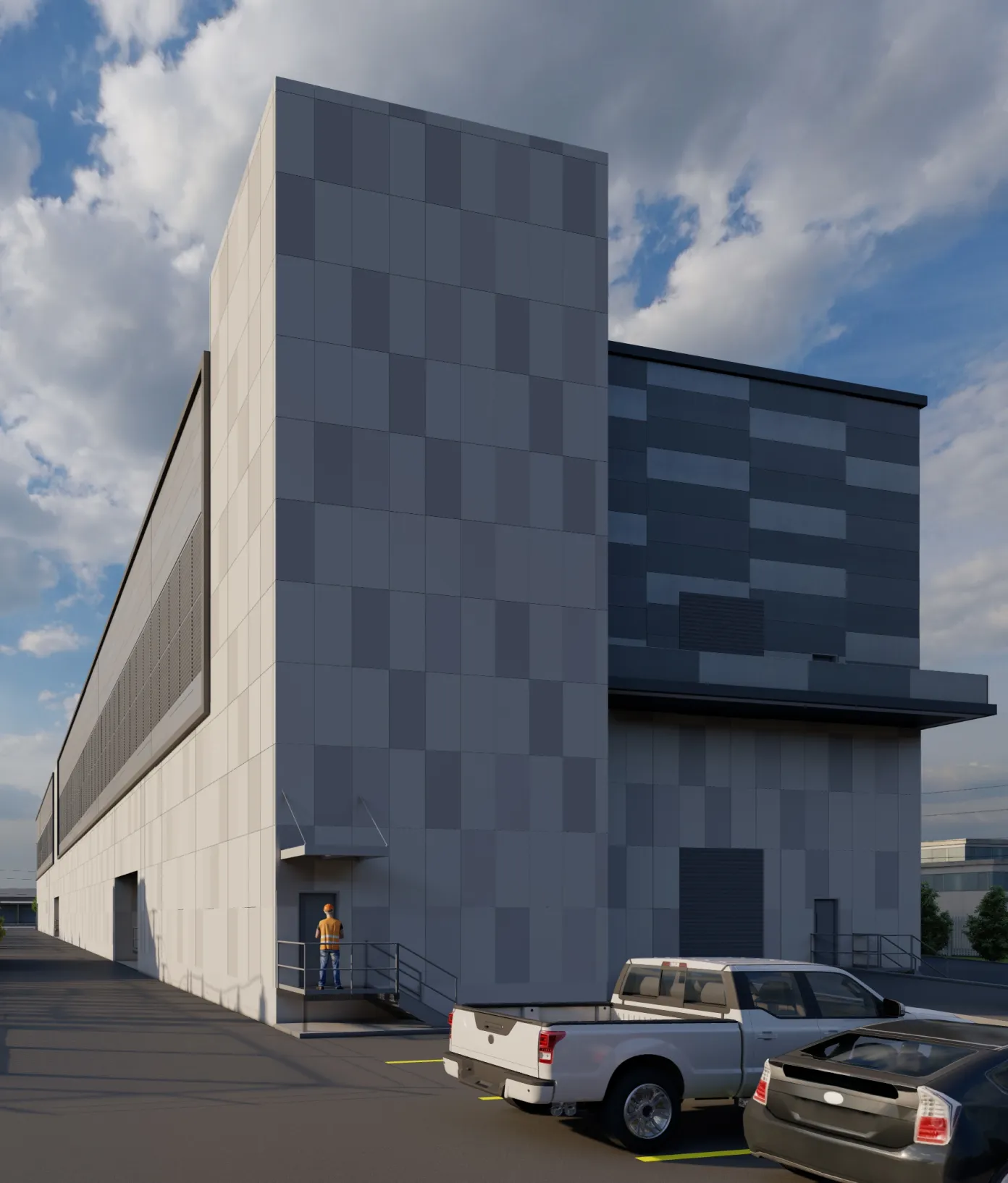
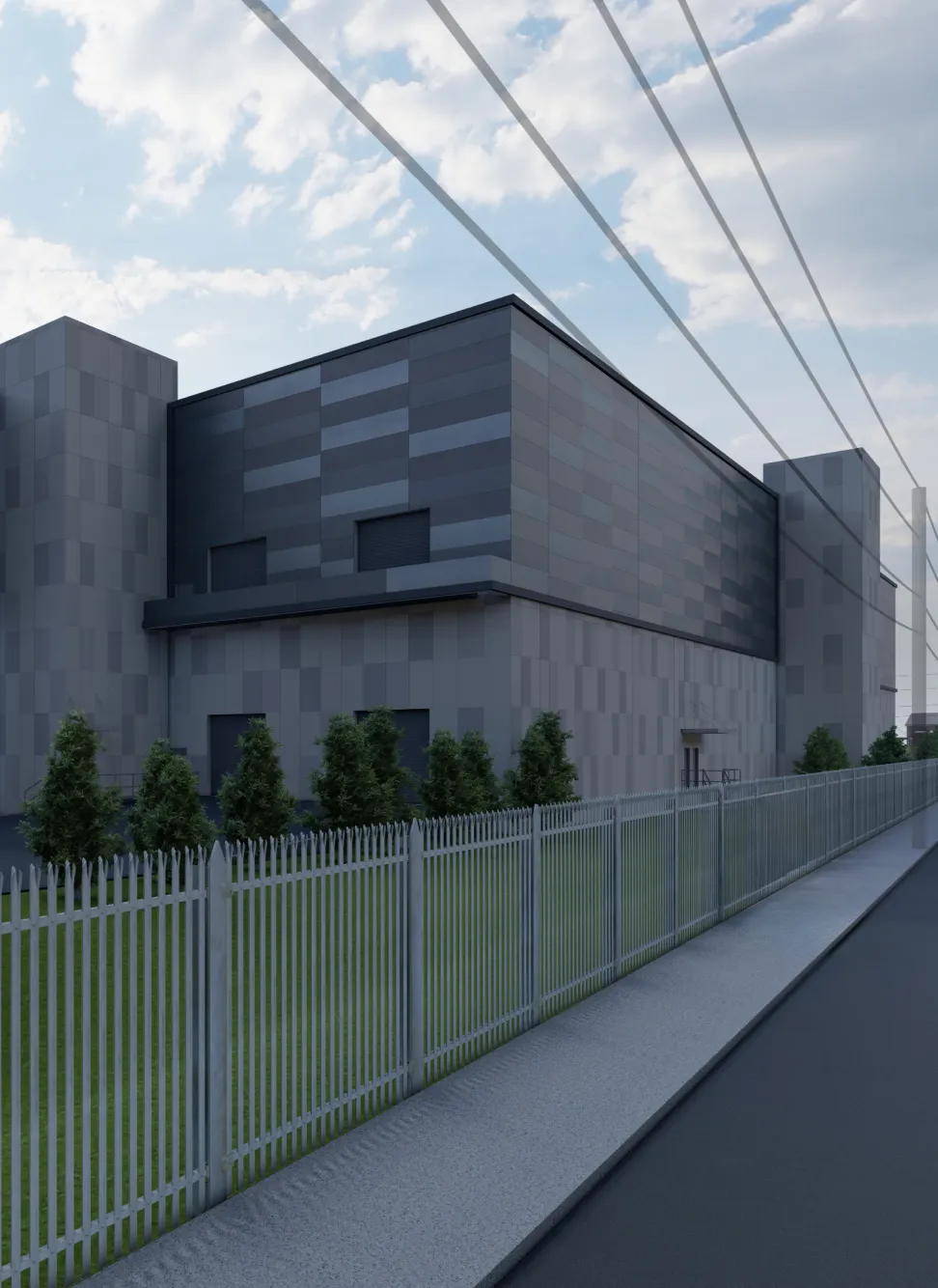
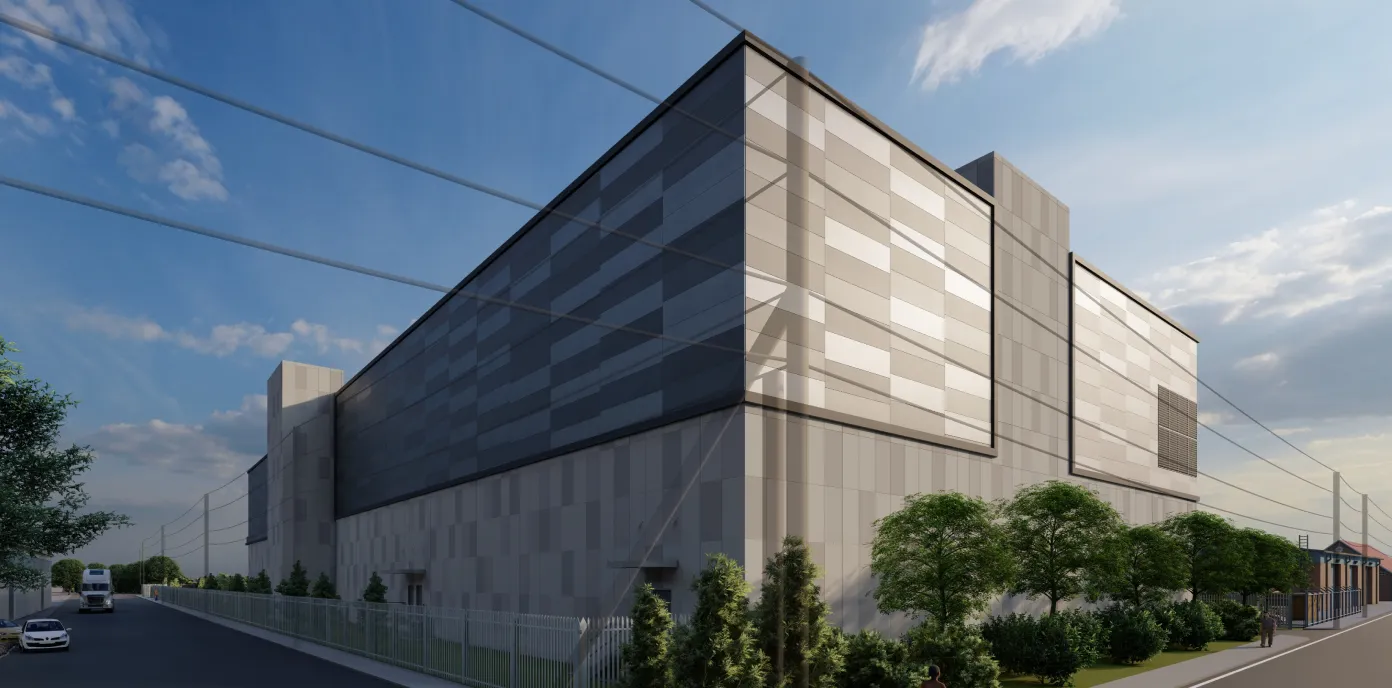
Project Renderings
Community Impact

Community benefits

Chalk Point Reliability Storage will deliver significant environmental, economic, and infrastructure benefits to Eagle Harbor, Aquasco, and the broader Prince George’s County throughout the project’s development, construction, and operation.

During construction, the project is expected to generate at least $117.4 million in new local earnings, create upwards of 171 local jobs, and contribute more than $39.4 million in tax revenue over its 25-year operational lifetime. In addition, the project will establish a Host Community Agreement to ensure sustained, long-term community benefits.

People walking along a small-town main street with shops and flags.

Environmental impact

Battery storage is key to enhancing grid dependability. Chalk Point Reliability Storage will store and distribute power generated by solar, wind, and other energy sources, making it more accessible when it’s needed most.

Tree-lined residential street with sidewalk and landscaping.

Community resilience

Energy storage benefits residents by improving the reliability of the power grid. Batteries provide safe, reliable energy to residents, reducing the risk of blackouts and the need for more expensive energy generation.

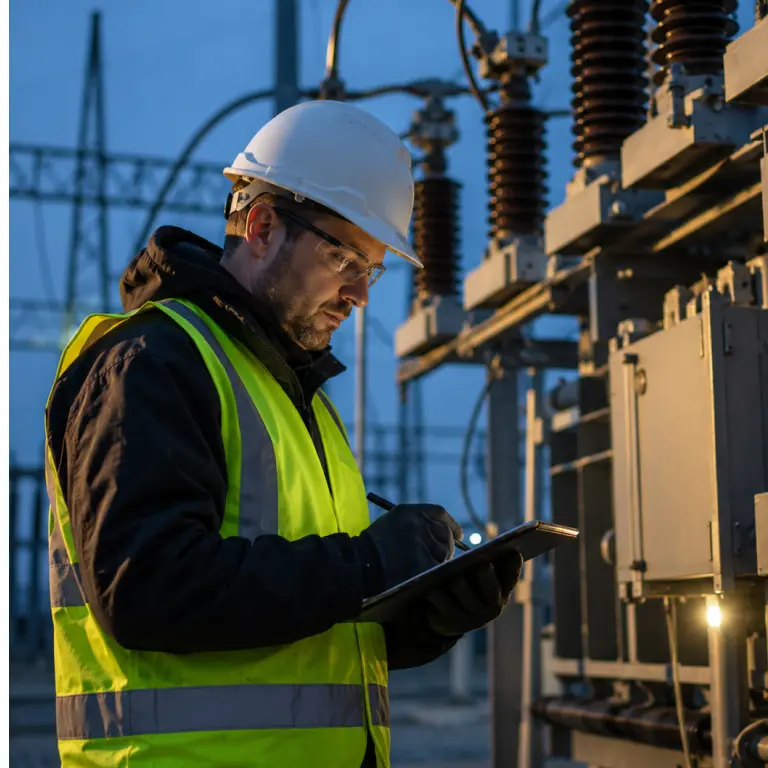
Utility worker in safety vest using a tablet near power lines.
Why Prince George's County?
Aerial view of a coastal city with a bridge over the water.

Supporting local reliability and resilience

Prince George's County sits at a critical intersection of regional energy demand and growing climate pressures. Chalk Point Reliability Storage site is located adjacent to a key portion of Potomac Electric Power Company’s transmission system, enabling efficient interconnection.

As Maryland experiences more frequent extreme weather events and increased strain on its electrical system, grid reliability and resilience have become essential to protecting residents, businesses, and municipal services. Strategic energy infrastructure investments in Prince George’s County help ensure a stable, dependable power supply while supporting the state’s transition to a cleaner energy future.

Brick power plant building with people gathered outside.

Clean Energy Focus

This project will strengthen Maryland’s electric grid by providing flexible capacity to support  renewable energy integration and reduce reliance on older, more expensive fossil-fuel–based generation during peak demand. In addition to contributing to long-term emissions reductions, the  project will deliver local benefits, including increased tax revenue, temporary construction jobs, and  infrastructure investment.

By prioritizing safety, environmental stewardship, and community  compatibility, the project reflects a forward-looking approach to meeting energy needs while  supporting Prince George's County and Maryland's long-term economic and environmental goals.

Battery energy storage system cabinets outside.
Energy Storage Explained

Battery energy storage systems

Battery energy storage systems (BESS) provide reliable energy by storing surplus electricity for use during peak demand periods. The result is cleaner air, reduced pollution, and more affordable energy. Battery storage is a critical component of Maryland’s clean energy strategy. It supports the state’s goal of deploying 1,000 MW of energy storage by 2030 to meet emissions-reduction and grid reliability targets.

Battery energy storage system cabinets.
1

Aligning energy demand with renewable supply

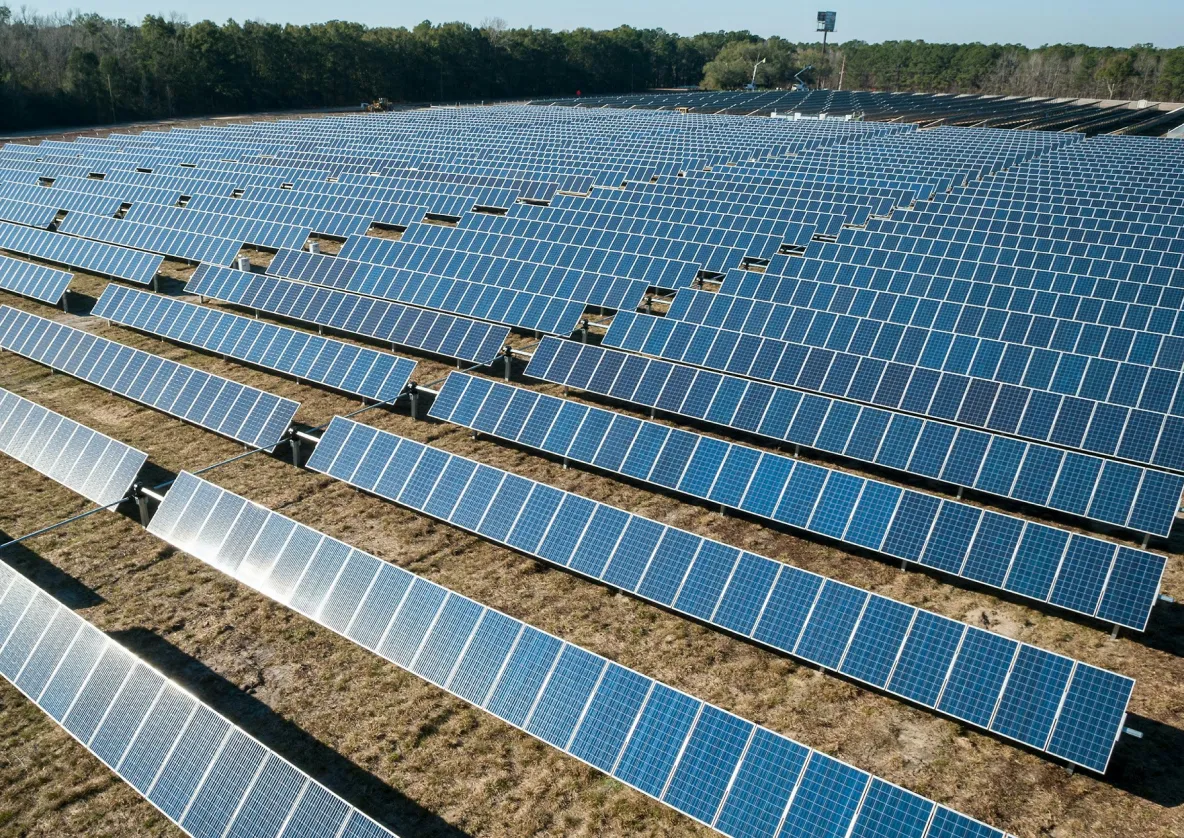
Renewable energy sources such as solar and wind generate electricity intermittently, and energy demand often does not align with peak renewable production. Battery storage helps balance this mismatch by absorbing excess generation.

Solar farm with rows of solar panels.
2

Saving energy for when it’s needed most

Batteries capture and store energy from renewable and other sources for later use. Without storage, excess clean energy that is not immediately consumed would otherwise be lost.

Green illuminated battery graphic.
3

Reliable energy when demand peaks

During periods of peak demand, batteries discharge stored energy back into the grid, helping prevent blackouts, reduce grid instability, and lower peak-demand electricity pricing. Battery systems also provide essential grid services throughout the day, improving overall system reliability and resilience.

Residential neighborhood at night with lit homes.
Construction Schedule

Q3 2026

Project permitting commences

Ongoing

Annual performance reviews

Q4 2027

Construction commences

Q2 2029

Target operations date

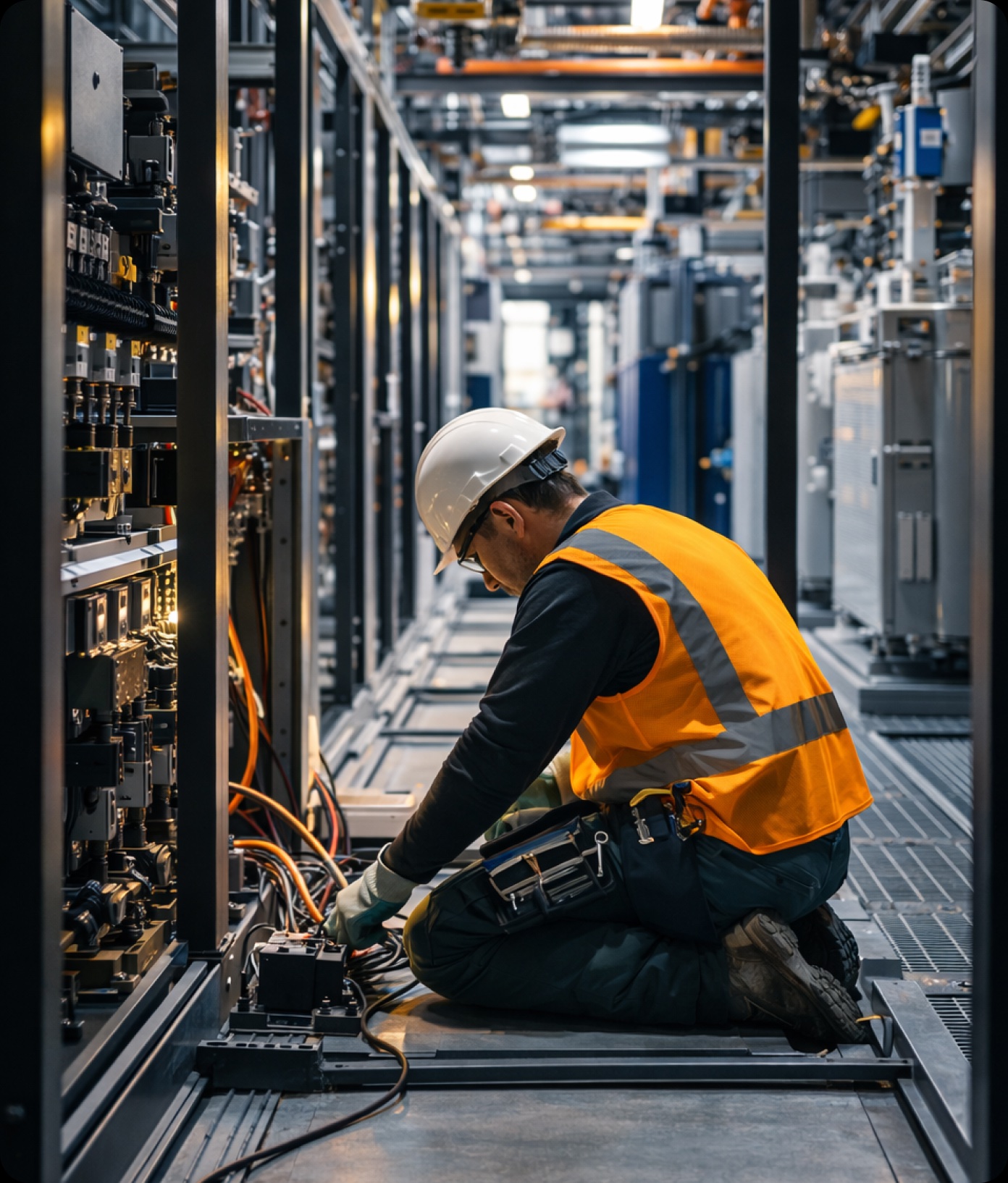
Technician working on industrial equipment.
Contact

As a Certified B Corporation, we deeply value the input of our community.

Woman working on a laptop at a desk.
Thank you! Your submission has been received!
Oops! Something went wrong while submitting the form.